Publications
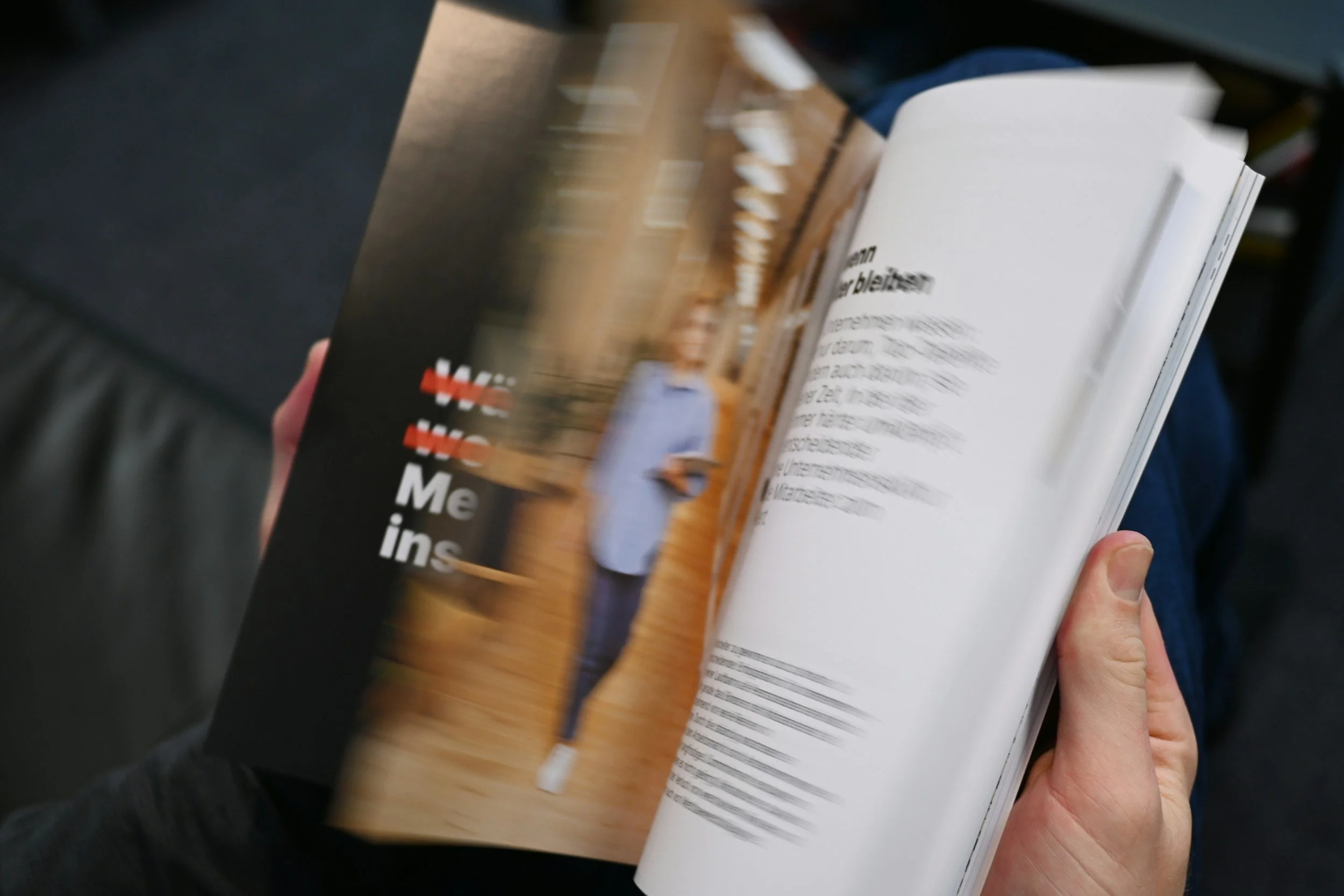
DomusAir Magazine
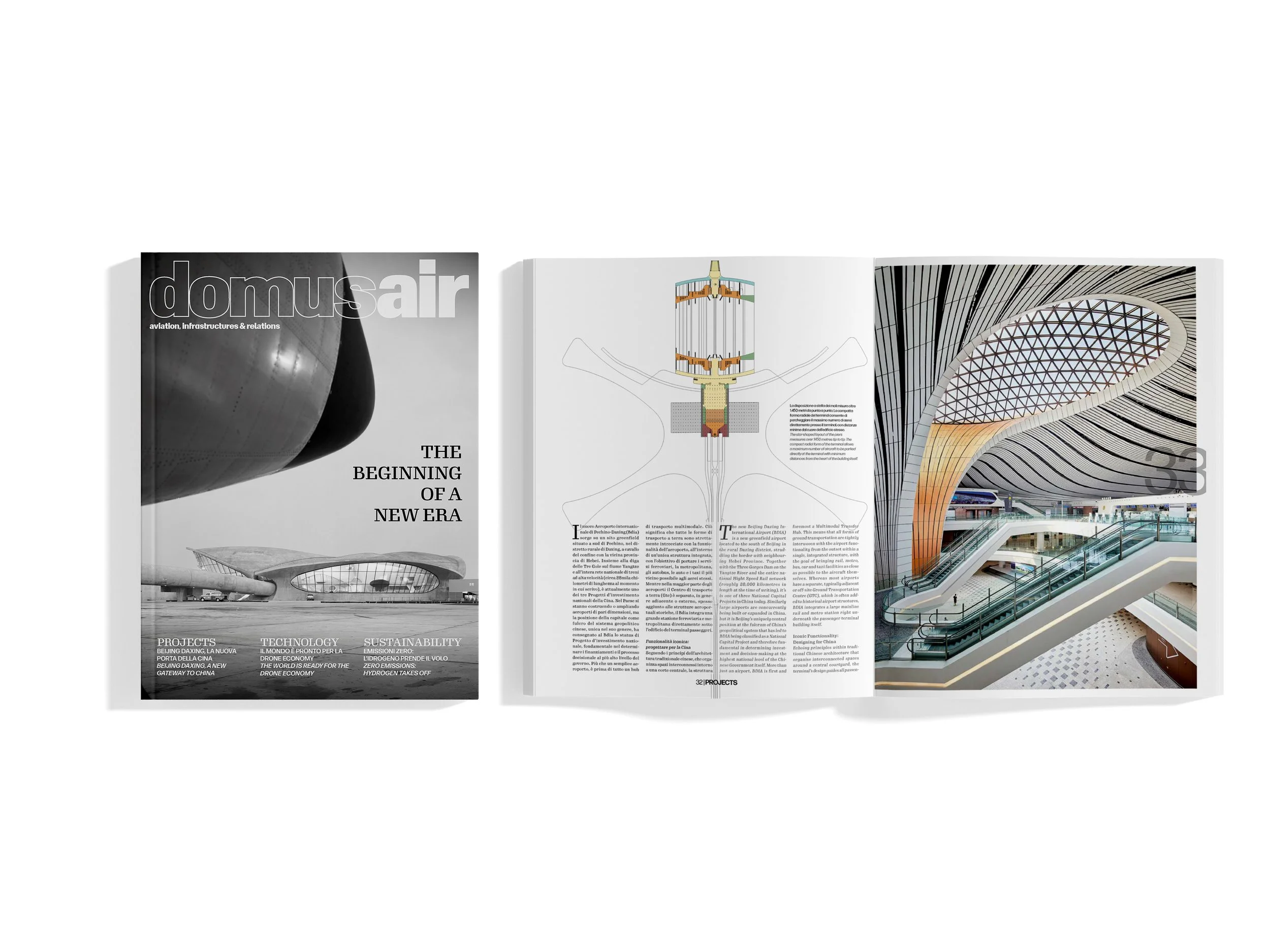
DomusAir Magazine is a strategic editorial project with Scientific Direction by Giulio De Carli, President of the Oneworks Foundation, and published by Editoriale Domus.

Planning in Wartime
Enhancing urban planning in the city of Mykolaiv
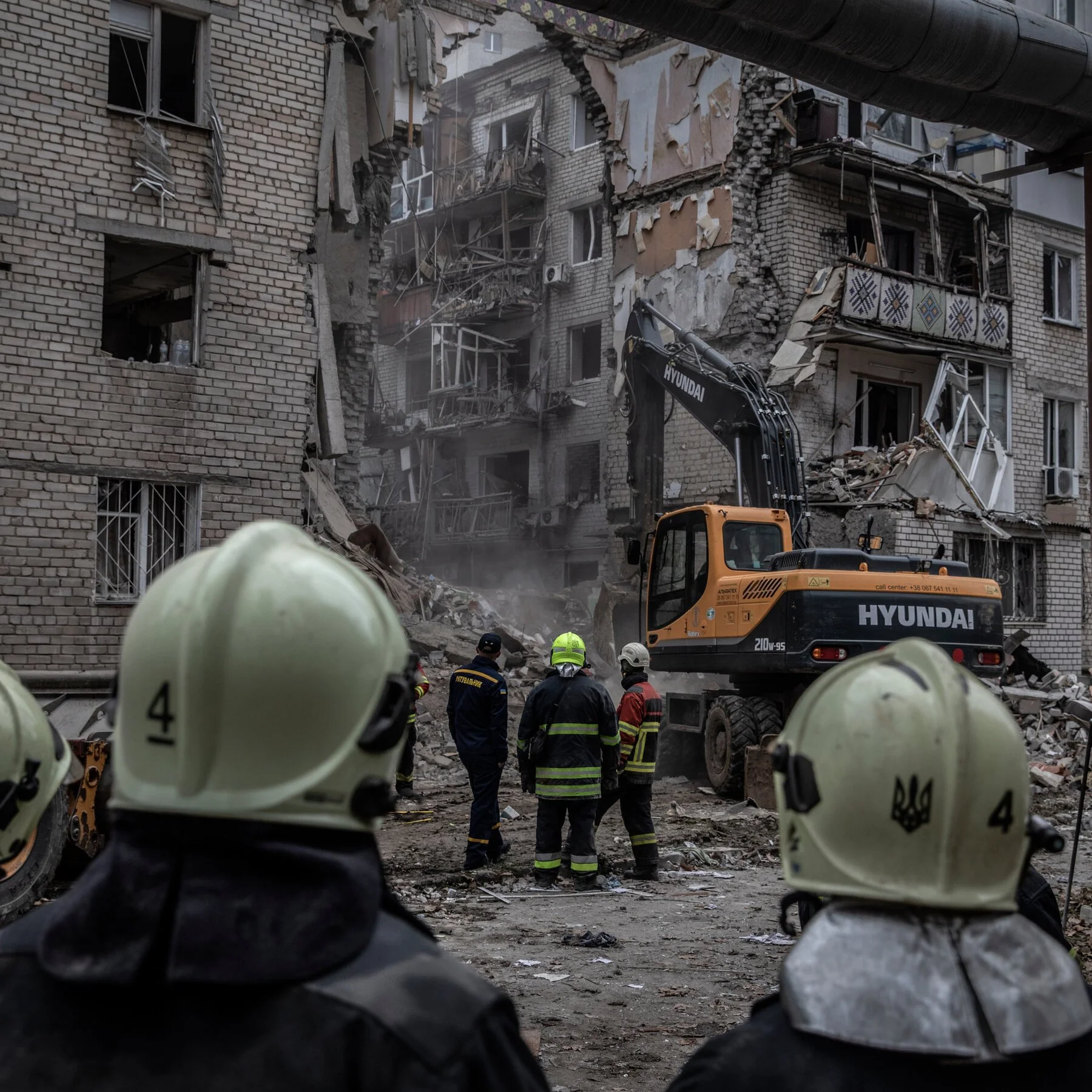
The humanitarian crisis caused by the Russian invasion of Ukraine in 2022 prompted immediate national and international mobilization. Among the cities most affected, Mykolaiv—a strategic industrial and maritime center in southern Ukraine—emerged as a pilot site for testing an innovative, inclusive, and resilient recovery framework.
Article by Silvia Botti, Alessandra Macchiavello, Giulio De Carli and Francesca Pintus (2025)
Global Perspectives on Cities in Extreme Conditions
Mykolaiv as a pilot for recovery
The post-disaster efforts of Hatay and Bilbao exist on different points along a spectrum of speed and activation. Both were initiated in the aftermath of crisis, albeit at different paces. The example of Ukraine is in stark contrast. Ukraine’s crisis is ongoing as a country navigating the devastating impacts of invasion whilst everyday rituals must continue. The Ukrainian government has prioritised forward-thinking by commissioning the development of revitalisation plans early, which will catalyse reconstruction efforts once the war has ended. Ukraine is an example of anticipatory renewal, where crisis becomes the launchpad for future goals – such as, for example, the focus on a national energy transition. The recovery of the post-industrial city Mykolaiv is a current focus, its urban re-birth functioning as a nucleus for widespread renewal.
Study by Silvia Botti and Francesca Pintus (2025)
Urbanistica Informazioni N. 314
Mykolaiv between past, present, and future: a sustainable strategy for reconstruction and rebirth
Article by Giulio De Carli and Francesca Pintus (2024)
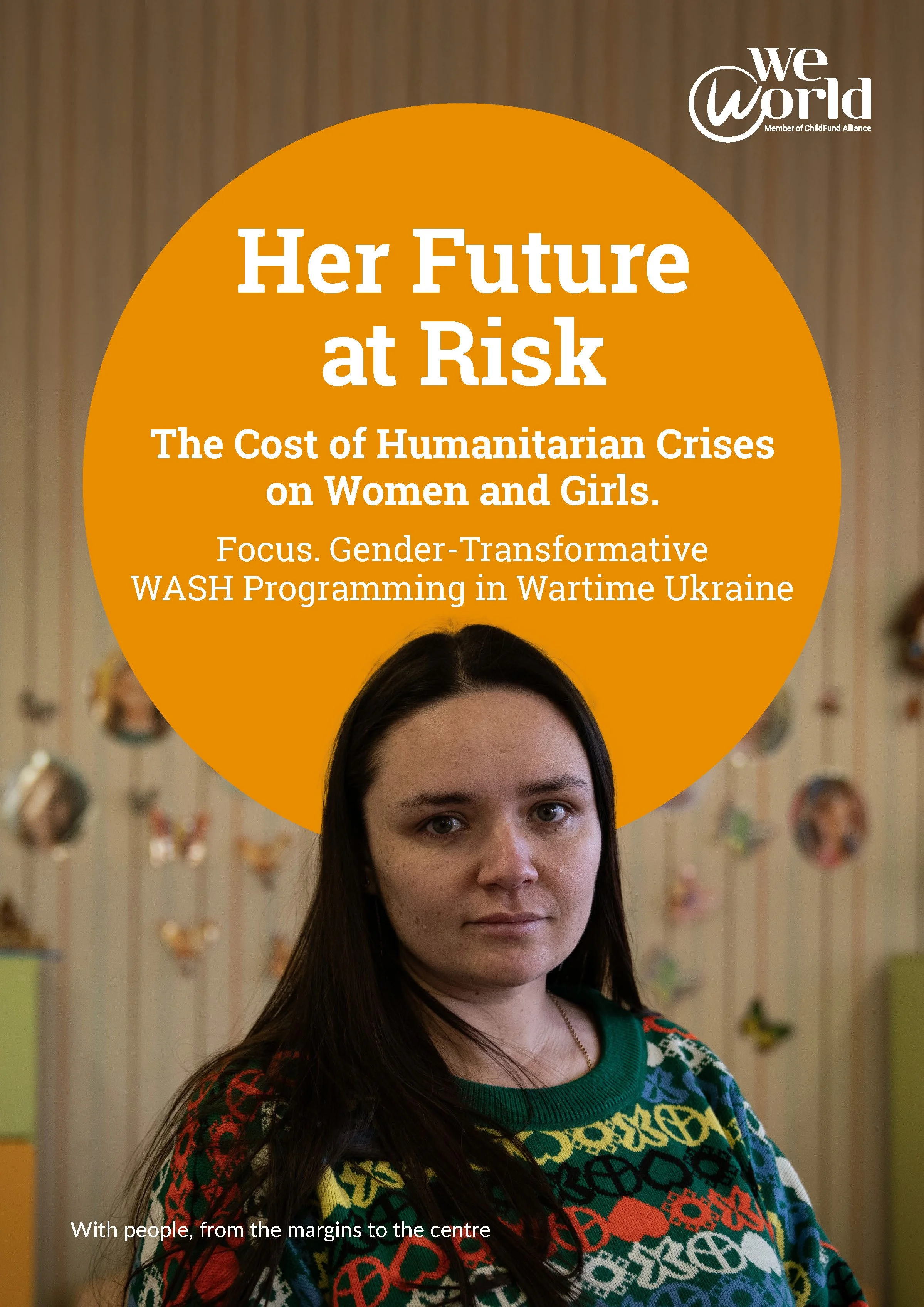
Her Future at Risk by WeWorld
In conflict-affected Ukraine, women and girls face growing threats to their safety, health, and dignity due to inadequate water, sanitation and hygiene (WASH) infrastructure. Facilities often lack gender-segregated, lockable toilets and lighting, increasing risk of sexual violence.
Study by Silvia Botti and Alessandra Macchiavello (2025)